


Customer Login
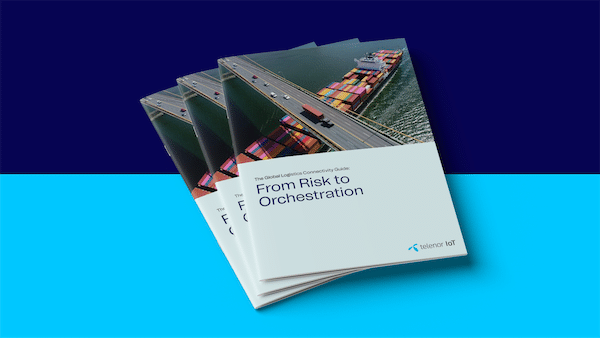
From Risk to Orchestration

The Global Logistics Connectivity Guide

A practical market-by-market guide for telematics solution providers managing fleet connectivity across borders, regulations and long device lifecycles.

Download the Guide

Explore regional connectivity risks and the decisions that help keep fleets connected across borders and over time.

Global fleet connectivity gets more complicated as deployments cross borders, networks evolve and regulatory requirements change. What works in one market can become a visibility, lifecycle or compliance problem at global scale.

This guide looks at North America, EMEA, China, Brazil and the Nordics, showing where different connectivity approaches may be required and which decisions matter most over a 10–15-year device lifecycle. It is written for technical and commercial teams at telematics solution providers responsible for keeping fleet connectivity reliable as deployments scale internationally.

What You Are Up Against

  • Permanent Roaming Restrictions:

    Markets such as Brazil may require a local connectivity model for long-term deployments, while China introduces additional data-sovereignty and local-data-handling requirements.

  • The Firmware Trap:

    Devices that cannot receive network configuration or firmware updates over the air can become increasingly difficult to support as networks, regulations and customer requirements change.

  • Regulatory Pressure:

    The EU Cyber Resilience Act and Smart Tachograph 2 are increasing requirements around security, lifecycle management and reliable data capture.

  • The Do-It-Yourself Risk:

    Technologies such as SGP.32 can increase profile flexibility, but independently managing local carriers, commercial agreements and regulatory requirements can create a different kind of complexity.

What Is Inside

  • A region-by-region view of connectivity risks, regulatory requirements and market conditions across North America, EMEA, China, Brazil and the Nordics
  • Guidance on over-the-air (OTA) lifecycle management and what it means for a 10–15-year device strategy
  • A practical framework covering profile orchestration, multi-network resilience, lifecycle control and regulatory alignment
  • Real-world examples from fleet and telematics companies operating across demanding markets and environments

Informed by fleet and M2M/IoT market data, GSMA standards, EU legislation and regional regulatory sources, and Telenor IoT’s experience managing more than 30 million IoT connections worldwide.

Why This Matters Now

Devices deployed today may need to remain supported for 10–15 years. Planning now for network changes, remote updates and local connectivity requirements can help reduce the need for disruptive changes later.

What Customers Say

One critical part is making sure the data reaches us, even when vehicles are traveling through challenging coverage areas. When customers are transporting goods such as medicine or live animals, for example, they need to know immediately if temperatures move outside the required range, and be able to document what happened afterwards.
Marta Poniecka
Marta Poniecka Head of R&D, GSFleet

After Reading This Guide, You Will Have

A clearer view of where your connectivity setup may be exposed, which regional requirements to plan for, and which questions to ask when reviewing providers, device update capabilities and local connectivity options.

Download the Global Logistics Connectivity Guide

Explore Related Solutions

Managed IoT Connectivity

IoT Connect

Managed IoT connectivity for enterprises operating across markets and large-scale deployments, with operational oversight and lifecycle support built in.

Explore managed IoT connectivity
Automotive IoT Connectivity

IoT Drive

Global vehicle connectivity with built-in compliance and support for software-defined vehicles, helping car manufacturers deliver connected services at scale.

Explore automotive IoT connectivity
Integrated IoT Connectivity

IoT Complete

Devices, SIMs, and data management in one service, supporting connected products from launch to scale without building your own IoT stack.

Explore integrated IoT connectivity